The short answer
The county lists three sorting facilities for trash and construction debris: Gold Coast Recycling and Transfer Station in Ventura, Del Norte Regional Recycling and Transfer Station in Oxnard and the Simi Valley Landfill and Recycling Center. E-waste and household hazardous waste have their own drop-offs, set by the city you live in.
The three big drop-offs in Ventura County
Ventura County Public Works lists three facilities that sort construction and demolition debris, and they are the same three places most people mean by “the dump” (Ventura County C&D program):
- Gold Coast Recycling and Transfer Station, 5275 Colt Street, Ventura.
- Del Norte Regional Recycling and Transfer Station, 111 South Del Norte Boulevard, Oxnard.
- Simi Valley Landfill and Recycling Center, 2801 Madera Road, Simi Valley.
Gold Coast and Del Norte are transfer stations: loads are dropped off, sorted for recycling, and what is left is trucked to a landfill. Simi Valley is a landfill with a recycling center on site.
Each one sets its own hours, fees and rules about what it takes, and they change, so check the facility’s own page or call before you go. Fees are usually by weight or by load size, with separate rates for green waste, clean dirt and concrete, and items like tires and mattresses.
The county says to ask for a recycling receipt at every sorting facility. Without one, you can’t show where the material went, which matters if a building permit requires a recycling plan (Ventura County).
Simi Valley Landfill free days
The Simi Valley Landfill holds free landfill days for residents of nearby cities. WM’s 2026 flyer for Moorpark lists free days on March 15, May 17, July 19 and October 18, 2026, for residents of Simi Valley, Moorpark, Thousand Oaks and Westlake Village (WM 2026 landfill days). The 2026 dates have passed, so watch for next year’s.
Free days usually come with rules, such as proof that you live in one of the listed cities and limits on loads and on what you can bring, so read the flyer before you go, and plan for a line.
For the landfill’s regular hours and what it takes, see WM’s page for the site (Simi Valley Landfill).
If you only have a few bulky items, your city’s free bulky pickup may be easier than a trip to the landfill at all, and it comes to your curb. If the load is big, heavy or needs to go now, hiring a hauler saves the trip, the line and the unloading.
Before you load the truck, check two things: which facility takes your city’s e-waste and hazardous waste, and whether your load needs a recycling receipt.
Where e-waste goes, town by town
TVs, monitors, computers, printers, phones and programmable small appliances like microwaves are e-waste, and they don’t go in the trash. Ventura County’s e-waste page lists where each city’s residents can take them (Ventura County e-waste):
- Ventura, Camarillo and Ojai: Gold Coast Recycling and Transfer Station in Ventura, Monday to Friday 8 a.m. to 7 p.m. and Saturday 8 a.m. to 5 p.m. by the county’s listing, with a limit of three monitors or TVs a month for residents.
- Oxnard and Port Hueneme: Del Norte Regional Recycling and Transfer Station in Oxnard, open Monday through Saturday, 5:30 a.m. to 5 p.m. by the county’s listing.
- Thousand Oaks, Simi Valley and Moorpark: G.I. Industries trash service collection.
- Fillmore, Santa Paula, Ojai and unincorporated areas: county collection events at the Pollution Prevention Center in Ventura and the Santa Clara River Valley facility in Fillmore.
The county also lists Goodwill locations that take e-waste for free, and private recyclers for businesses with large amounts. Call ahead: the county notes each location sets its own limits and charges.
Non programmable small appliances, like a toaster, blender or coffee maker, are not e-waste. The county says they can go in your curbside recycling container.
Paint, chemicals and other hazardous waste
Paint, solvents, pesticides, pool chemicals, motor oil, antifreeze, batteries and fluorescent bulbs are household hazardous waste. They can’t go in the trash, in a dumpster or in a junk hauler’s truck. Where they go depends on where you live (Ventura County hazardous waste, county drop-off list):
- City of Ventura: the city’s own program at 5275 Colt Street, by appointment on the third Saturday of each month, closed in December, for city residents only.
- Fillmore, Ojai, Santa Paula and unincorporated areas: county collection events at the Pollution Prevention Center on North Ventura Avenue and the Santa Clara River Valley facility at the Fillmore Fire Station and Public Works Yard on Sespe Place.
- Thousand Oaks: the City of Thousand Oaks Household Hazardous Waste Facility on Rancho Conejo Road.
Unwanted paint is the easy one. The county has partnered with PaintCare since 2012, and paint can be dropped off for recycling free at participating stores. Several collection programs also give away usable leftover paint and cleaners for free.
Make an appointment where one is required, keep products in their original containers, and never mix them.
Mattresses and appliances
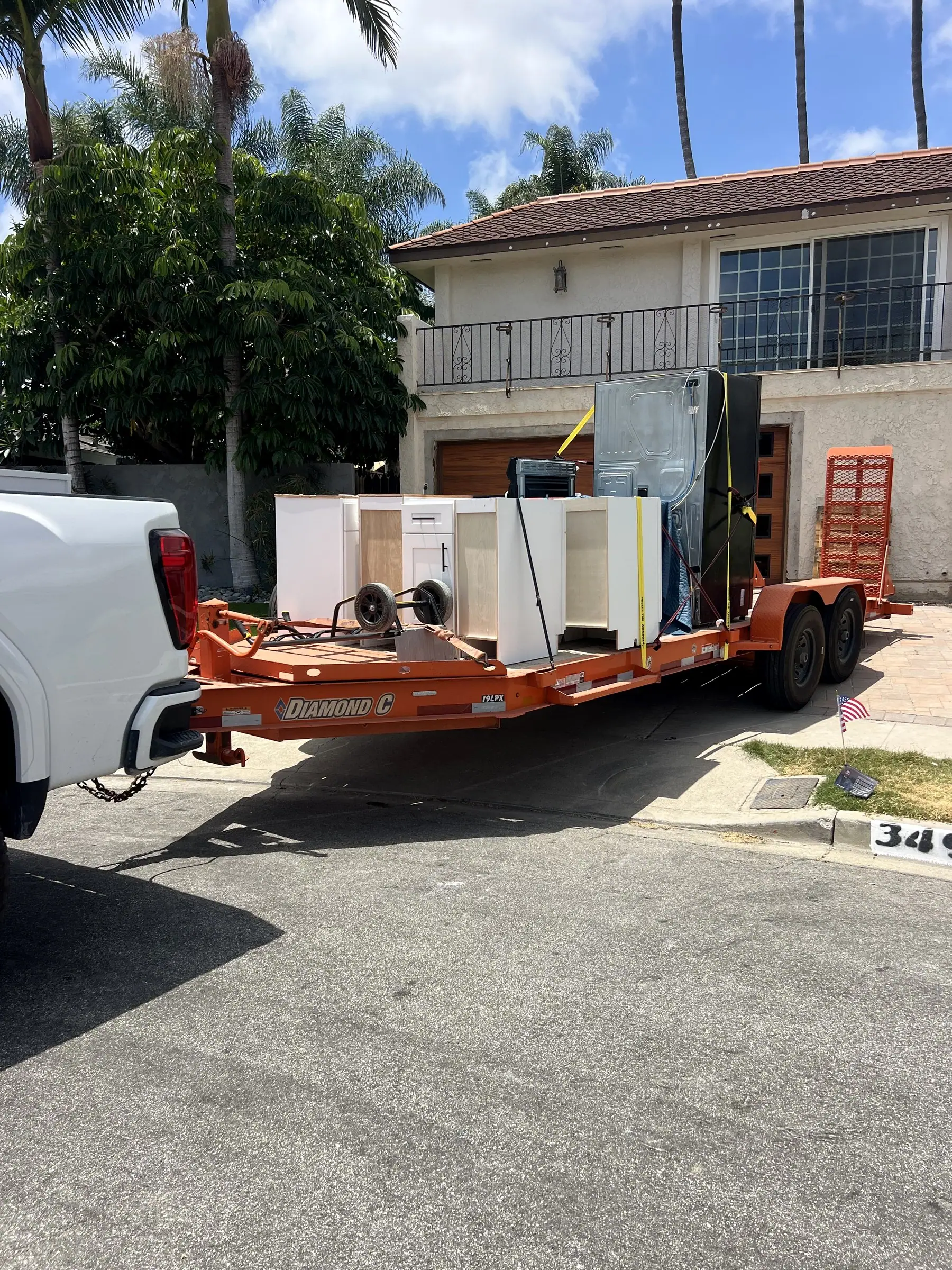
Mattresses and box springs can be recycled for free through California’s Bye Bye Mattress program, paid for by a fee charged when new mattresses are sold (Bye Bye Mattress). Ventura County Public Works has pointed residents to local drop-off sites through the program (Ventura County). The City of Ventura says Gold Coast recycles one mattress set a year free for city residents (City of Ventura). Sites set limits, so check before you go.
Refrigerators, freezers, air conditioners and other major appliances need their refrigerant, oil and mercury switches taken out before they are crushed or shredded, and those materials can’t be dumped, under California law (California DTSC). Transfer stations and scrap recyclers that take appliances may charge for refrigerant removal.
Many retailers will haul away an old appliance when they deliver a new one, sometimes for a fee. Ask when you buy.
Construction and remodel debris
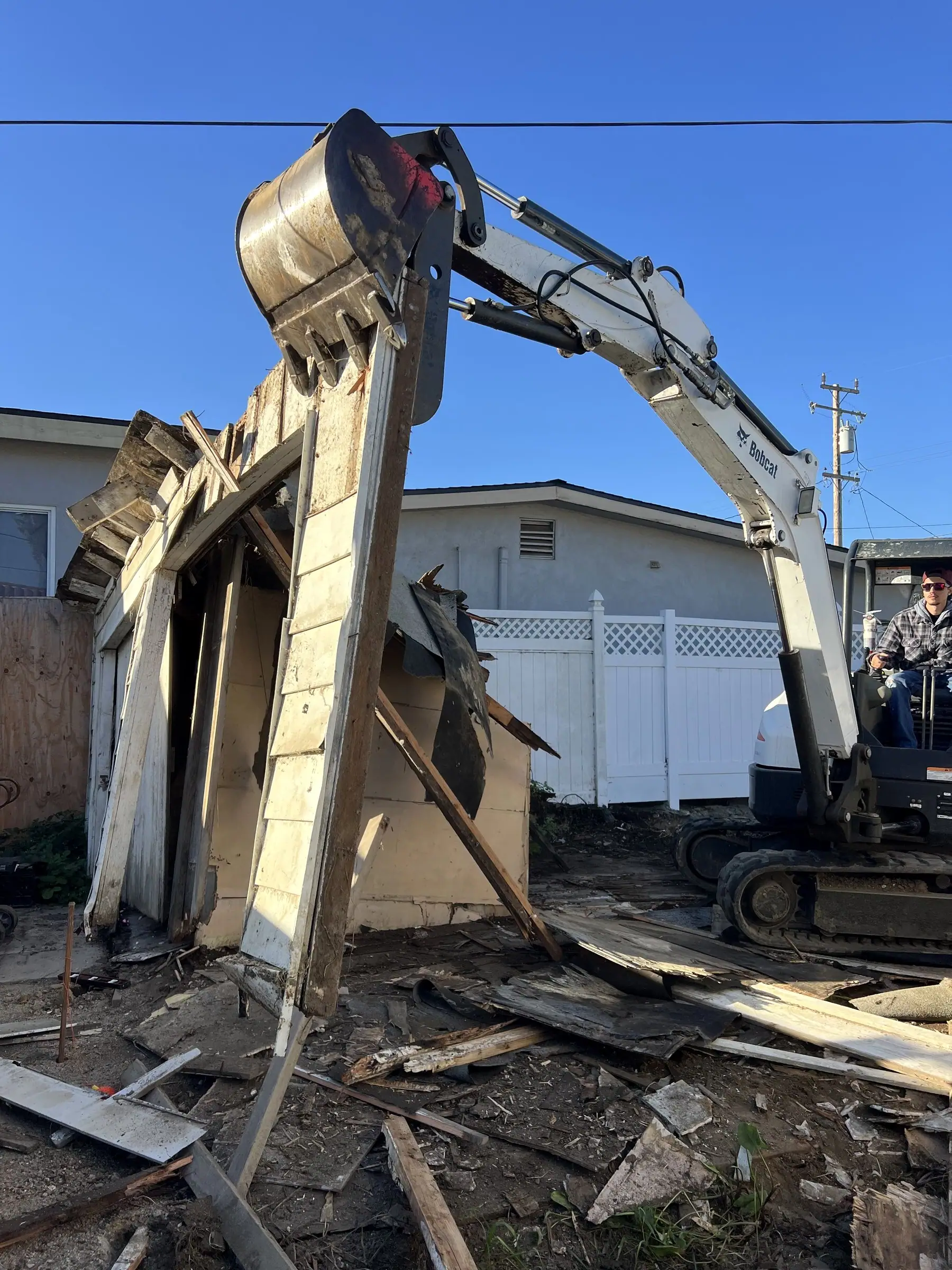
California’s green building code, CALGreen, requires 65 percent of construction and demolition debris to be kept out of landfills on covered projects (Ventura County C&D program). In unincorporated Ventura County, those projects submit a recycling plan through the county’s Citizen Access system and turn in recycling receipts when the work is done.
Under county Ordinance 4590, project applicants have four ways to handle the material: self haul to a sorting facility, use an Authorized Solid Waste Collector, salvage usable materials, or reuse materials on site.
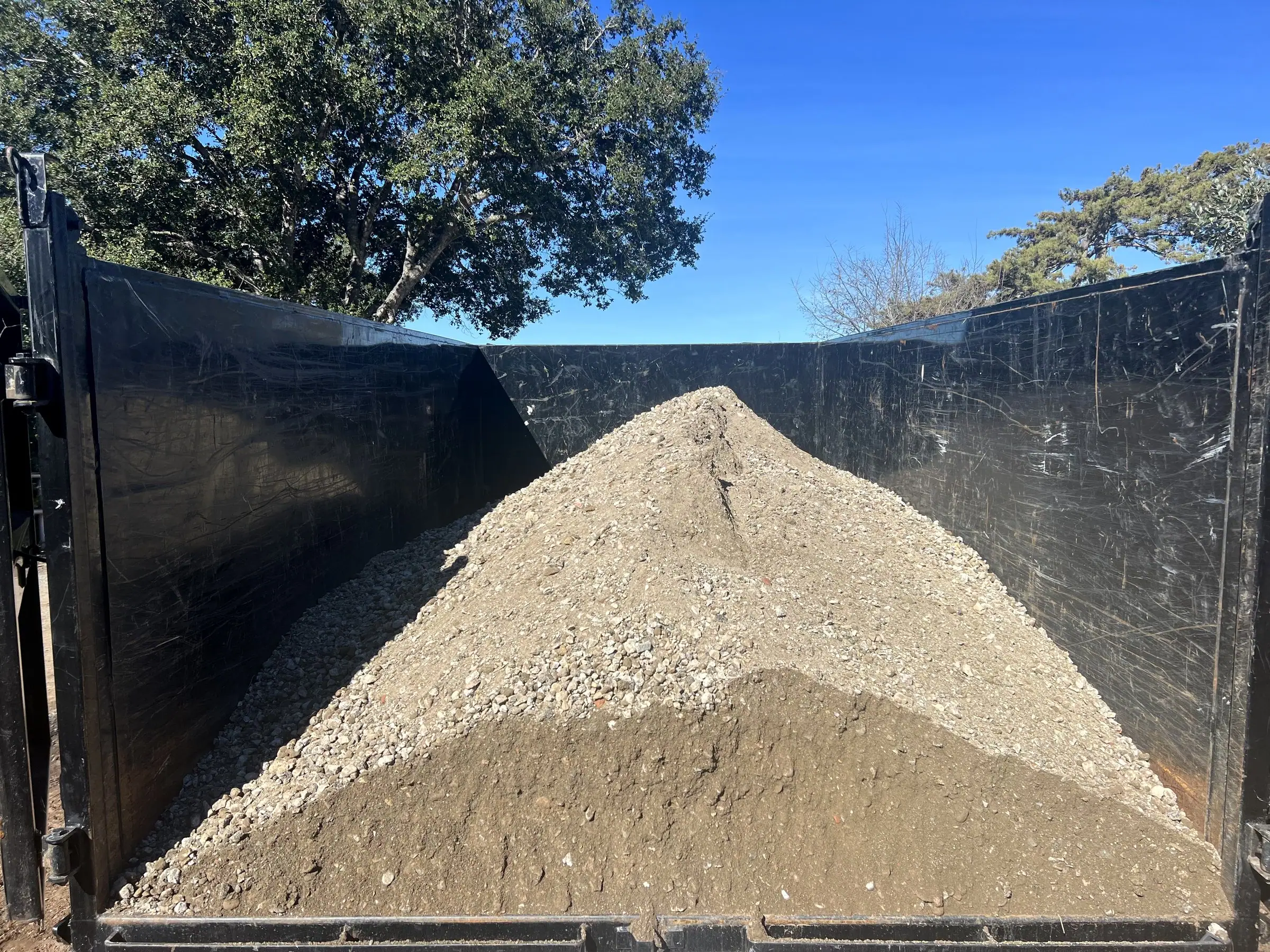
Keeping loads clean saves money. Clean concrete and asphalt, clean dirt, clean wood and green waste are each recycled on their own and usually cost less to drop off than a mixed load. Drywall, tile, roofing and lumber mixed together are sorted at the facility.
Cities inside the county, like Ventura, Oxnard and Thousand Oaks, run their own construction recycling rules, so check with your building department. For remodel cleanouts and debris hauling, see our debris removal and hauling pages.
Before you drive a load to the dump
A trip to the transfer station goes faster when the load is ready for it. Four things help:
- Tie it down and cover it. California Vehicle Code section 23114 says a vehicle can’t be driven with a load that can drop, sift, leak, blow or spill off, and loose material like dirt, gravel, sand, rock and crushed base has to be covered (California Vehicle Code 23114). A tarp and straps cost far less than a ticket.
- Load in the order you will unload. If you are making more than one stop, put what goes to the last stop at the front of the bed.
- Keep materials apart. Green waste, clean dirt, clean concrete and metal are often dropped in different areas or charged differently than trash.
- Bring what the facility asks for. Proof of address for resident programs and free days, and a request for a recycling receipt if your project needs one.
Heavy loads are where people get caught out. A pickup bed full of wet dirt or broken concrete can weigh far more than the truck is rated to carry, and a small trailer even more so. If the load is heavy, split it into trips or have it hauled by a dump truck or dump trailer made for the weight.
Santa Barbara County, and when a hauler is simpler
On the Santa Barbara County side, the county’s recycling site, LessIsMore.org, lists its waste facilities and where each kind of item goes, including hazardous waste and large appliances (county waste facilities, hazardous waste, large appliances).
A trip to the dump makes sense when you have a truck, the load is light, and you have the time. It makes less sense when the load is heavy, mixed, inside the house, or needs to go to three different places: trash to the transfer station, the fridge to a recycler, the TV to an e-waste site and the paint to a collection event.
That is the job a hauler does. With junk removal, we load it, sort what has to go to separate places, and take it there. Our post on what happens to your junk follows a typical load from the driveway to each stop.
Questions people ask
Can I take household trash to Gold Coast or Del Norte myself?
Yes, both take loads from the public. Check each facility’s own page or call for current hours, fees and what it takes before you go.
Do I need a receipt from the dump?
If your project has a construction recycling plan, yes. Ask for a recycling receipt at every drop-off.
Can I put e-waste in my curbside recycling?
No. TVs, computers and programmable appliances go to an e-waste drop-off. Non programmable small appliances, like a toaster, can go in curbside recycling, by the county’s guidance.